Source Eco Friendly Nonwoven Water Soluble Interlining for Garments
Find 26 eco friendly nonwoven water soluble interlining options for garment, home textile, and bag applications. Compare specifications like GSM, width, and material composition from suppliers in China to select the right lining for your production needs; compare the available evidence and request quotations based on your requirements.
Key considerations
Products List


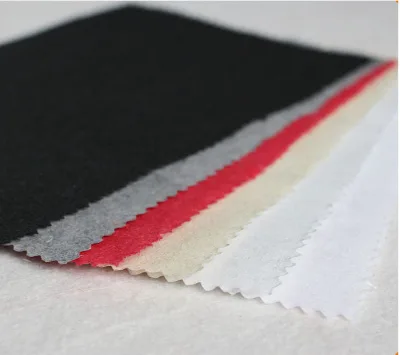


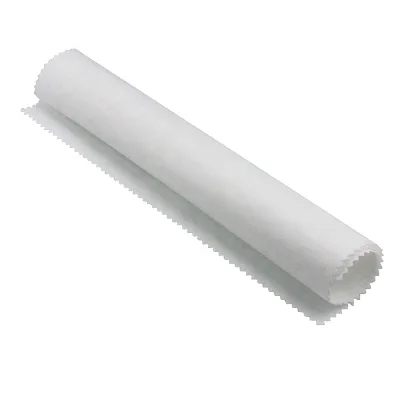

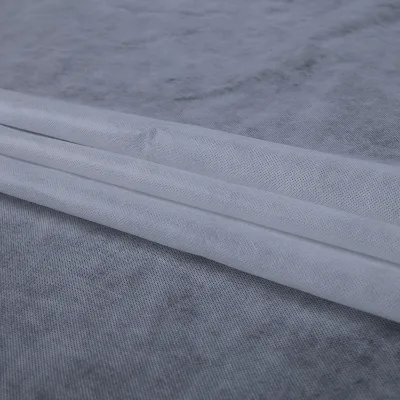


100% Polypropylene Nonwoven Interlining
Contact supplier
Moq: 20000
Zhejiang Changxing Changrui Interlining Manufacture Co., Ltd.

45g Soft Fusible Nonwoven Interlining
Contact supplier
Moq: 20000
Zhejiang Changxing Changrui Interlining Manufacture Co., Ltd.

Comprehensive Sourcing Guide
Eco Friendly Nonwoven Water Soluble Interlining Sourcing Guide
Sourcing eco-friendly nonwoven interlinings requires a careful balance between environmental compliance and functional performance, particularly when water solubility is a critical processing requirement. Buyers must distinguish between standard eco-friendly nonwovens and those specifically engineered to dissolve at precise temperatures or pH levels. The market offers various material compositions, including polyester and polypropylene blends, each with distinct dissolution profiles. Understanding these chemical differences is essential for selecting the right interlining for automated garment manufacturing lines where residue-free removal is mandatory.
Procurement teams should also evaluate the sustainability credentials of the base materials, such as recycled polyester or biodegradable polymers, which align with modern corporate social responsibility goals. While many suppliers claim eco-friendly status, verifying the actual composition and end-of-life behavior of the product is crucial. This guide outlines the key technical, commercial, and quality assurance factors necessary to secure a reliable supply of water-soluble interlinings that meet both production efficiency and environmental standards.
Product Scope and Observed Listing Signals
The observed product landscape reveals a diverse range of nonwoven interlinings with varying material compositions, including 100% polyester, 100% cotton, and 100% polypropylene options. Listings indicate a wide weight range from 9 GSM to 220 GSM, with specific models like JIEWEI-Lyn and JIEWEI-Ann suggesting specialized applications. Features such as waterproof, breathable, and anti-pull properties are commonly highlighted, indicating versatility in garment construction. Buyers should note that while "eco-friendly" is a frequent attribute, the specific mechanism of water solubility is not universally detailed in standard listings, requiring direct supplier inquiry.
Pricing and minimum order quantities (MOQs) vary significantly, with observed prices ranging from $0.06 to $139 and MOQs from 50 to 50,000 units. This disparity reflects differences in material quality, customization levels, and production scales. Some suppliers offer free samples and support make-to-order production, which is beneficial for testing dissolution performance before committing to large volumes. The presence of OEM acceptance and custom color options further indicates that manufacturers are equipped to handle specific brand requirements, though buyers must verify if these customizations affect the water-soluble characteristics of the final product.
Technical Specifications to Verify
Technical verification must focus on the dissolution temperature and speed, which are critical for seamless integration into automated sewing processes. Buyers should request detailed data sheets specifying the exact temperature at which the interlining dissolves completely without leaving residue. Additionally, the tensile strength and hand feel of the interlining in its dry state are vital for ensuring it provides adequate support during garment construction. The width specifications, typically ranging from 90cm to 120cm or 58/60 inches, must align with the cutting patterns and machinery capabilities of the manufacturing facility.
It is also essential to confirm the coating and finishing treatments applied to the nonwoven fabric, as these can impact both the eco-friendly claims and the solubility profile. Suppliers may use various chemical bonding or spunlace techniques, which affect the fabric's durability and environmental footprint. Buyers should verify if the product meets specific GSM standards, such as the observed 9GSM-220GSM range, to ensure consistency across production batches. Clear communication regarding these technical parameters prevents production delays and ensures the interlining performs as expected in both wet and dry conditions.
Compliance and Safety Documentation
Compliance with international safety and environmental standards is non-negotiable for eco-friendly products. Buyers should request certificates such as OEKO-TEX, which verifies that the textile is free from harmful substances, ensuring safety for both workers and end-users. While specific certification status may vary by supplier, obtaining documentation that confirms the absence of toxic chemicals is crucial for maintaining brand integrity and meeting regulatory requirements in target markets. This documentation serves as proof of the product's eco-friendly claims and supports sustainability reporting efforts.
In addition to safety certifications, buyers should inquire about the biodegradability or recyclability of the interlining material. Understanding the end-of-life options for the product helps in assessing its true environmental impact. Suppliers should provide clear information on whether the dissolved residues are safe for wastewater treatment systems or if they require special disposal methods. This transparency is vital for companies aiming to achieve circular economy goals and minimize their ecological footprint throughout the product lifecycle.
Cost Drivers and Commercial Terms
Cost structures for eco-friendly nonwoven interlinings are influenced by raw material prices, production complexity, and customization requirements. The use of recycled or specialized biodegradable materials often commands a premium compared to standard synthetic options. Buyers should analyze the total cost of ownership, including shipping, handling, and potential waste reduction benefits, rather than focusing solely on the unit price. The observed price range of $0.06 to $139 reflects these variations, with higher costs typically associated with specialized water-soluble formulations and smaller order volumes.
Commercial terms such as MOQs, lead times, and payment conditions also play a significant role in procurement planning. Suppliers offering make-to-order services may have longer lead times but provide greater flexibility in meeting specific production needs. Buyers should negotiate terms that align with their inventory management strategies, considering the 7-day sample order lead time as a benchmark for responsiveness. Clear agreements on quality acceptance criteria and return policies for defective batches are essential to mitigate financial risks associated with bulk purchases.
Supplier Qualification and Quality Control
Supplier qualification involves assessing manufacturing capabilities, quality management systems, and past performance in delivering consistent products. Buyers should verify the supplier's experience with water-soluble interlinings and their ability to maintain tight tolerances in weight and width specifications. Requesting references from existing clients in the garment or textile industry can provide insights into the supplier's reliability and customer service quality. A robust quality control process, including in-line inspections and final product testing, is crucial for ensuring that every batch meets the specified technical requirements.
Quality control measures should also include regular audits of the production facility to ensure adherence to environmental and safety standards. Buyers should establish clear communication channels for addressing any quality issues promptly, minimizing production disruptions. Implementing a sampling protocol for each new batch allows for verification of dissolution performance and physical properties before full-scale production begins. This proactive approach to quality assurance helps maintain high standards and builds trust with the supplier, ensuring a stable and reliable supply chain.
Long-Term Procurement Checks
Long-term procurement success depends on continuous monitoring of supplier performance and market trends. Buyers should regularly review supplier metrics, such as on-time delivery rates, defect rates, and responsiveness to issues, to ensure ongoing compliance with contractual obligations. Staying informed about advancements in eco-friendly materials and water-soluble technologies allows procurement teams to identify opportunities for cost savings and performance improvements. Engaging in periodic supplier reviews fosters a collaborative relationship that can lead to innovation and better value over time.
Additionally, buyers should periodically reassess their sustainability goals and adjust procurement strategies accordingly. This may involve exploring new suppliers with stronger environmental credentials or negotiating stricter compliance requirements with existing partners. Maintaining a diversified supplier base reduces risk and ensures continuity of supply in case of disruptions. By integrating long-term strategic planning with operational excellence, companies can secure a competitive advantage through reliable, high-quality, and environmentally responsible nonwoven interlining solutions.
FAQs
What materials are used for eco friendly nonwoven water soluble interlining?
The product is primarily made from 100% polyester or 100% cotton. Some variants utilize 100% polypropylene for specific applications. These materials ensure the interlining meets eco-friendly standards while providing necessary structural support for garment manufacturing processes.
How can I customize the color of the nonwoven interlining?
Custom colors are available for this product line. Buyers can request specific shades like white, black, or blue to match their design requirements. The manufacturer accepts OEM requests to ensure the final product aligns perfectly with your brand identity.
What is the minimum order quantity for this interlining?
The minimum order quantity ranges from 50 to 50,000 units depending on the specific product variant. Some items require a selling unit multiple of 200. Buyers should verify the exact MOQ with the supplier before placing a bulk order.
Can I get a free sample of the water soluble interlining?
Yes, free samples are available for qualified buyers. The sample order lead time is typically supported within 7 days. This allows you to test the fabric weight, hand feeling, and coating quality before committing to a larger production run.
Which features does the eco friendly nonwoven interlining offer?
Key features include waterproof, breathable, and anti-pull properties. Additional benefits may include mothproof, anti-static, and anti-bacterial capabilities. These attributes make the material suitable for diverse applications ranging from garments to industrial and agricultural uses.
What is the production technique used for this interlining?
The interlining is produced using chemical bonded or spunlace techniques. Some variants are manufactured via spun-bonded processes. These methods ensure consistent quality and allow for weight ranges from 9 to 220 GSM to suit various garment needs.
Where is the origin of this nonwoven interlining product?
Products originate from regions including Taizhou, Jiangsu Province, Guangdong, and Fujian in China. The specific location depends on the manufacturer and the product model. Buyers can expect domestic grade materials sourced from these established manufacturing hubs.